
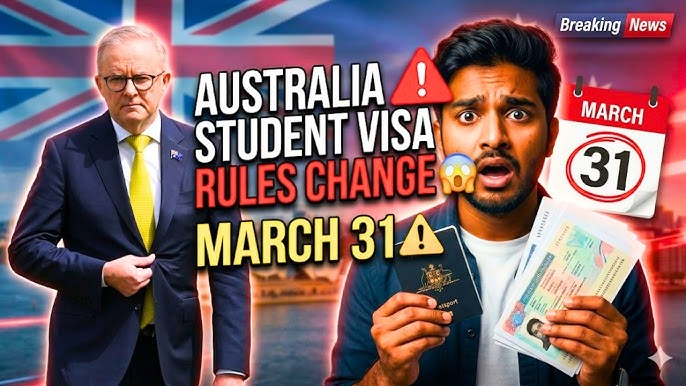

The Australian government has executed sweeping structural shifts in its immigration policy, heavily reforming pathways for international scholars. As housing shortages, rental inflation, and broader infrastructure pressures intensify, a comprehensive Australia Migration Crackdown has been established to recalibrate net overseas migration.
Through targeted measures including a monumental adjustment to Student Visa Fees, closing long-standing Visa Loopholes, and managing total International Student Numbers the administration is reshaping the landscape of Australia’s migration system. This detailed breakdown explores these critical updates, their operational implications, and their impact on the education sector.
1. The Financial Shift: Adjustments to Student Visa Fees
A central pillar of the ongoing migration strategy has been the dramatic restructuring of non-refundable visa application charges (VAC).
Initially spiked during the early phases of the policy overhaul, the standard Student Visa Fees (Subclass 500) have been adjusted upward to manage the volume of applications and generate substantial internal revenue.
Core Implications of the New Fee Structure:
Financial Impact on Students: The elevated application costs place a significant upfront financial commitment on international applicants, particularly from developing regions. This change requires families to plan their academic budgets with absolute precision before applying.
Revenue Generation for Infrastructure: The funds accumulated from these fees are strategically redirected by the government to support the domestic immigration apparatus, streamline processing queues, and fund local infrastructure and student housing projects.
The Deterrence Effect: Higher non-refundable costs naturally deter non-genuine applicants who previously used student pathways as soft entry points for low-skilled work. This shift ensures that only serious, high-quality students invest in an Australian education.
2. Tightening System Integrity: Closing Visa Loopholes
The administration has adopted an uncompromising approach toward immigration compliance, zeroing in on structural systemic vulnerabilities. This Australia Migration Crackdown operates under tight regulatory frameworks designed to clean up the sector:
Eliminating Onshore Visa-Hopping: Strict rules prevent temporary visa holders (such as Subclass 485 graduates or tourists) from continuously shifting between short-term visitor or training visas while onshore to indefinitely extend their stay without proper skills progression.
Targeting Non-Genuine Providers: The government has introduced severe penalties for unscrupulous vocational colleges and “ghost schools” that facilitate visa exploitation by enrolling students who prioritize off-campus work over actual classroom attendance.
Enhanced Compliance Checks: Under updated ministerial directions, immigration authorities have intensified scrutiny on financial capacity requirements and English language proficiency scores to ensure full alignment with Australia’s long-term economic objectives.
3. Alleviating the Housing Crisis and Managing Enrolments
The mandate to manage international enrollment caps is deeply tied to relieving structural pressures across major metropolitan areas. As the volume of temporary residents reached historic highs, major gateway cities experienced a severe Housing Crisis, leading to specific local challenges:
Rental Shortages: The concentrated influx of students in major hubs like Sydney, Melbourne, and Brisbane significantly constrained the supply of available rental accommodation.
Rental Price Inflation: Skyrocketing demand pushed inner-city rent prices to record highs, impacting both incoming international scholars and local working-class residents.
Infrastructure Strain: Rapidly growing student populations created logistical hurdles for regional public transport networks, medical centers, and municipal resources.
By introducing the National Planning Level (NPL) caps to manage International Student Numbers, the government aims to flatten the migration curve, allowing housing construction and public infrastructure to catch up with population growth.
4. Related Resources & Global Study Pathways
For prospective scholars assessing their international options amidst shifting global policies, explore our comprehensive cross-border guides:
Study Visa for Australia from Pakistan Price & Budgeting Guide
UK Study Visa in Pakistan: Updated Admission Criteria
Italy Study Visa Requirements, Deadlines & Document Checklists
Poland Work Visa Pathways and European Migration Opportunities
Conclusion
The Australia Migration Crackdown represents a permanent shift toward a highly regulated, value-driven immigration system. While increased Student Visa Fees and managed caps on International Student Numbers pose initial hurdles, they ultimately work to protect the academic prestige of an Australian degree.
For serious applicants, adapting early to these evolving integrity metrics and securing professional, clear guidance is the most reliable way to navigate the complexities of studying in Australia successfully.