
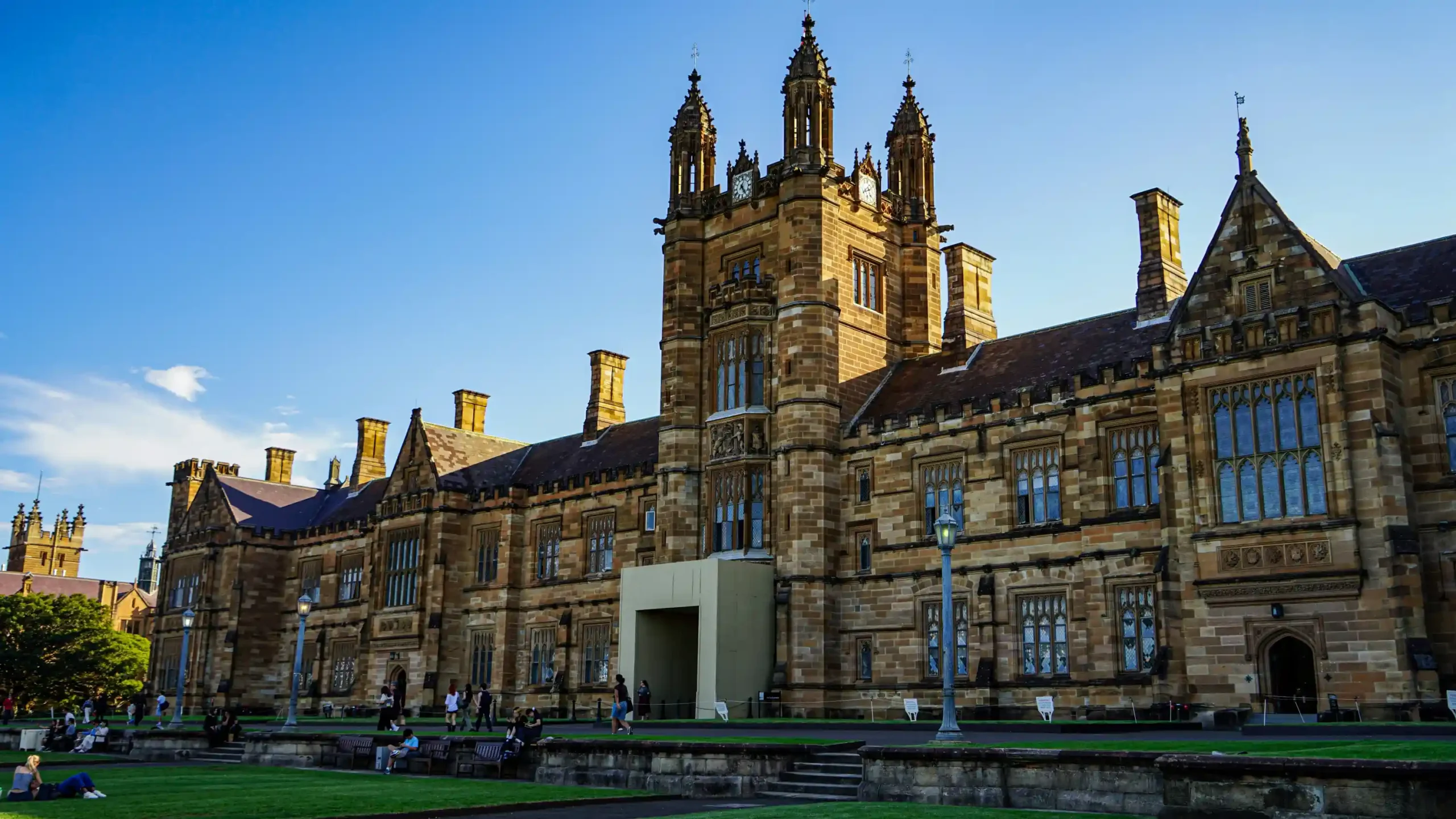
Studying and Training Visas
Planning to study or undertake training in Australia? iWise Education provides clear guidance for international students preparing for their education and visa journey.
Planning to Study in Australia?
Share your education background, current application stage and study plans with iWise Education. This information helps our Pakistan team understand your situation before discussing the next steps with you.
Education Background
Tell us about your highest qualification, English language test status and previous studies.
Australian Study Plans
Let us know your preferred study level, intake and area of study so our team has the right context.
Current Application Stage
Whether you are just starting, preparing documents or already working through admission or visa steps, tell us where you are in the process.
Contact Preferences
Choose how and when you would prefer our Pakistan team to contact you about your enquiry.
1st Floor, 258 Block G4 Johar Town, Lahore 54000, Pakistan
Tell Us About Your Study & Visa Plans
Complete the form below with accurate information. Our team can then review your enquiry and contact you using your preferred method.
Student Visa and Training Visa Options in Australia
Australia has different visa options for people who want to study or undertake structured training. The right option depends on what you intend to do in Australia and the type of program you will undertake.
Student Visa
The Student visa is for people who want to undertake an eligible course of study in Australia.
Study an eligible course in Australia
Travel in and out of Australia while the visa is valid
Work rights may apply subject to the conditions attached to the visa
The period of stay depends on the course and enrolment arrangements
From 2 October 2026, most Student visa applications must be lodged from outside Australia unless the applicant holds an eligible visa or meets an exemption.
Training Visa
The Training visa is designed for people taking part in workplace-based occupational training or professional development activities in Australia.
Undertake workplace-based occupational training
Improve skills related to an occupation, tertiary study or field of expertise
Take part in an approved professional development training program
Sponsorship and an approved nomination are generally required before the visa application is lodged
This visa is for structured training and professional development. It is not intended to be used as an ongoing work visa.
Your study or training plan will determine which visa pathway may be relevant.
If you are unsure about the difference between studying and training, our Student Visa Consultants can help you understand the education and visa pathway that matches your current situation.
Key Requirements for a Student Visa in Australia
A Student visa application needs to be supported by the right study, health and personal information. The exact documents can vary, but there are several core requirements students should understand before applying.
Confirmation of Enrolment
You generally need a valid Confirmation of Enrolment (CoE) for your intended course. Your course must be registered for international students and your CoE needs to remain valid when your application is assessed.
Overseas Student Health Cover
Most applicants need appropriate Overseas Student Health Cover (OSHC) for the required period, unless an exemption applies to their circumstances.
Genuine Student Requirement
Student visa applicants must show that studying in Australia is the primary reason for their application. The online application includes questions about your circumstances, chosen course and how the study will benefit you.
English Language Evidence
Some applicants need to provide evidence of English language ability. Whether this is required, and what evidence is accepted, depends on the rules that apply to the individual application.
Financial Capacity
Depending on the application, you may need to provide evidence showing that you can meet relevant study, living and other required expenses while in Australia.
Health and Character Requirements
Applicants must also meet the health and character requirements that apply to their visa application.
The documents required for one applicant may be different from another. The Department of Home Affairs document checklist and your individual circumstances should be reviewed before submission.
Understand the Study and Training Visa Pathway
Studying or undertaking training in Australia involves a series of connected steps. Before moving forward, it is important to understand your study arrangements, review the requirements that apply to you and prepare the information needed for your application.
Define Your Study or Training Direction
Start with a clear understanding of what you intend to study or what type of training you plan to undertake in Australia.
Confirm Your Education Arrangements
Check your admission, enrolment and other relevant study details before progressing further with the visa process.
Review What Applies to Your Situation
The requirements can differ between applicants. Your circumstances should be considered carefully before an application is prepared.
Organise Your Supporting Information
Keep your identity, education and other relevant records organised so the information provided remains clear and consistent.
Know What to Expect After Submission
Continue monitoring your application and be prepared to respond if further information or supporting documents are requested.
The steps may look similar for many students, but the information and requirements relevant to each application can be different. Always review the current requirements before proceeding.
How Our Student Visa Consultants Support Your Application
Preparing for an Australian student visa can involve several steps, from understanding the requirements to organising supporting information. iWise Education helps students work through these steps clearly so they know what needs attention before an application is submitted.
Start With a Clear Understanding of Your Situation
Every student has a different education history, study plan and personal situation. We begin by understanding where you are in the process and what you are preparing for.
This helps identify the areas that need to be reviewed before you move forward with your application.
Understand the Requirements
We explain the relevant application requirements in clear terms so you can understand what information and supporting documents may be needed for your circumstances.
Organise Your Information
Important personal, study and supporting information should be organised carefully before submission. Clear records also make it easier to identify anything that may still be missing.
Review Before You Submit
Before the application moves forward, it is important to check that the information provided is complete, accurate and consistent with the supporting documents.
Know What Comes Next
We help you understand the next stage of the process so you know what to expect after submission and can respond appropriately if further information is requested.
Visa requirements depend on individual circumstances, and visa decisions are made by the relevant Australian authorities.
What Should You Have Ready Before You Apply?
Good preparation makes it easier to understand what is complete and what may still need attention. Keep your study, identity and supporting information organised before moving to the application stage.
Education and Enrolment Information
Current admission or enrolment information
Relevant academic certificates and transcripts
Course or training details relevant to your application
Identity and Contact Information
Valid passport and relevant identity records
Current contact and residential information
Consistent personal details across your documents
Additional Information for Your Circumstances
English language evidence where relevant
Financial or other supporting records where required
Any additional documents relevant to your situation
Check your documents before moving forward
Requirements can differ between applicants. If you are unsure about the education-related information you need to prepare, our Educational Consultants can help you understand the next steps based on your current stage.
What Happens After You Submit Your Visa Application?
Submitting the application is not always the final step. You should continue checking for updates, keep your documents available and respond carefully if further information is requested.
Keep Your Application Records
Save copies of your submitted information, supporting documents and important correspondence so they are easy to access later.
Monitor Your Application
Check the relevant communication channels regularly so that you do not miss an important update or request connected with your application.
Respond to Further Information Requests
If additional information is requested, read the instructions carefully and provide the relevant documents or details within the required timeframe.
Review the Outcome Carefully
When an outcome is provided, read the information carefully and understand what it means before making your next study or travel decision.
If you are unsure about an update or the next step, our Study Visa Consultants can help you understand what needs your attention.
Training Visa (Subclass 407) for Practical Training in Australia
The Training Visa (Subclass 407) allows eligible applicants to take part in structured workplace training or professional development in Australia.
It can be suitable for people who need practical training to improve their skills, meet professional registration requirements or complete an approved training program related to their occupation or field.
What Type of Training Can Be Included?
The type of training depends on why the applicant needs to complete the program. The Training Visa can cover different kinds of structured occupational and professional training.
Training for Professional Registration
This may apply when practical workplace training is needed to meet registration, licensing or membership requirements for a profession or occupation.
Training to Improve Occupational Skills
This option may be used for structured workplace training that helps an applicant improve their practical skills and experience in an eligible occupation.
Professional Development Training
Some applicants may take part in an approved professional development or capacity-building program that supports their career, organisation or field of expertise.
The Training Program Must Be Properly Arranged
Applicants normally need an approved sponsor and a clearly defined training program. The training should explain what the applicant will learn, how the training will be delivered and why it is relevant to their occupation or professional development.
Check that the proposed activity is genuine training and that the sponsor, training plan and applicant meet the requirements that apply to the Training Visa.
Student Visa or Training Visa: What Is the Difference?
Both visas are connected with education and development in Australia, but they are designed for different purposes. The Student Visa is mainly for formal study, while the Training Visa is for structured workplace training or professional development.
The right visa depends on whether your main purpose in Australia is formal study or structured training. Our Study Visa Consultants can help you understand the difference and discuss the option relevant to your plans.
FAQs About Studying and Training Visas in Australia
Find simple answers about Student Visa and Training Visa options, application requirements and the type of support available through iWise Education.